GF Protein Bars
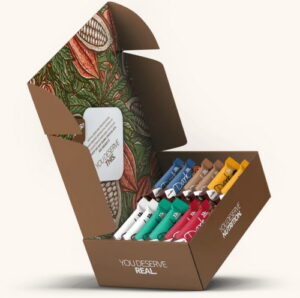
Click above for our favorite GF protein bars!
Why Protein Bars Matter for Those with Celiac Disease
Living with Celiac Disease means being extra vigilant about hidden gluten — and that includes snack bars. Whether you’re rushing between meetings, post-workout, or juggling your busy lifestyle (as you do as a photographer, creator, or professional), having a trusted on-the-go snack helps you stay energized and safe. A good gluten-free protein bar is more than convenient—it’s a strategy for freedom, consistent nutrition, and fewer compromises.
What to Look for When Choosing a Gluten-Free Protein Bar
Here are key criteria to evaluate:
-
Certified gluten-free label: Look for third-party verification (e.g., GFCO, NSF Gluten Free) to reduce risk of cross-contamination.
-
Ingredient transparency: Safe bars will clearly list ingredients, avoid vague terms like “natural flavours” without detail, and steer clear of obvious gluten sources (wheat, barley, rye).
-
Protein quality & quantity: A good bar should deliver ~10–20 g of protein (or more, depending on your goals) and utilize quality sources (e.g., whey isolate, pea protein) instead of excessive sugar.
-
Sugar & fillers: Many “healthbars” load in sugar, sugar alcohols, maltodextrin or fillers that may upset sensitive guts. Choose bars with moderate sugar (ideally <10 g), minimal sugar alcohols if you’re sensitive, and wholesome ingredients.
-
Allergen & cross‐contact awareness: If you’re strictly gluten-free—and possibly also managing other food sensitivities (lactose, soy, nuts)—check for allergens and “manufactured in shared facility” disclaimers.
-
Taste & texture: Even with safety, enjoyment matters! A bar you’ll tolerate politically but hate to eat at won’t last. opt for a flavour profile you’ll stick with.
Our Recommended Gluten-Free Protein Bars
While this page is not a full list of every bar, we highlight our favorite trustworthy option (see the link). Whatever you pick, keep these themes in mind: GFO (Gluten Free Organization) certification, ingredient check, balanced macro profile. Our go-to has consistently been from NuGo. (click the link above to view).
Why This Matters for Your Life
-
On-the-go for creators: As someone balancing photography shoots, entrepreneurship, and content creation, you’re constantly on the move. A portable gluten-free protein bar means less stress about finding safe snacks between clients.
-
Support your well-being: Proper protein intake supports muscle recovery, metabolic health, and helps you avoid the blood-sugar crashes that can impair your focus behind the camera or at the editing desk.
-
Reduce hidden gluten risk: Packaged snacks, shared kitchens, gym amenities—these are all places where cross-contact happens. Choosing certified gluten-free bars helps you stay confident and protected.
Tips for Integrating into Your Routine
-
Always carry one in your bag or on-shoot kit: you never know when snack options might be limited.
-
Check expiry dates and storage instructions: heat can affect texture/flavour and may make ingredients less palatable.
-
Use as part of a balanced snack: Pair your bar with a piece of fruit or a handful of nuts for a fibre and micronutrient boost.
-
Rotate flavours to avoid “snack fatigue”: even safe snacks can become mentally stale—keep variety in your rotation.
-
Read labels every time: manufacturers change formulas; what was safe last quarter may not be now.
Frequently Asked Questions (FAQs)
Q: Are all protein bars automatically gluten-free?
A: No—many are made with wheat, barley malt, or produced in facilities that handle gluten. Always check for certified gluten-free verification.
Q: What about cross-contact risk in “gluten-free” facilities?
A: Look for third-party certification and facility disclaimers. Some bars may claim to be gluten-free but still share equipment with glutenous ingredients—choose the stricter safety standard.
Q: Can I rely on just one brand forever?
A: While consistency is helpful, rotating brands ensures you’re not stuck if one runs out or changes ingredients. Plus, it gives you variety.
Q: Do I still need to check ingredients even if it’s certified gluten-free?
A: Yes. Certification handles gluten, but you may still have other sensitivities (e.g., dairy, soy) or prefer lower sugar content.
Your Next Step
Ready to pick a safe, enjoyable snack that supports your busy life and gluten-free journey? Click the link on this page to discover our favorite gluten-free protein bars and get started. Stay fueled, stay confident, and keep thriving.